Somatizovaná trauma: Jak tělo pamatuje na traumata a co s tím dělat
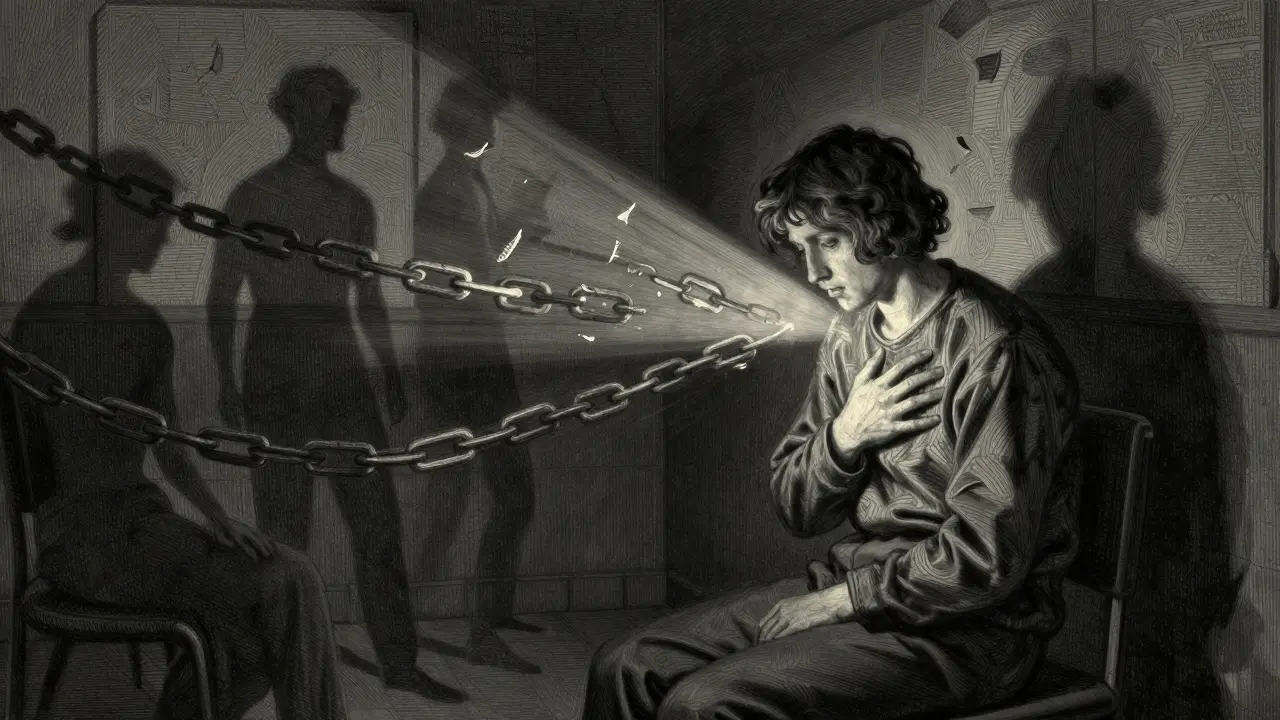
When you’ve been through something terrible, your mind doesn’t always scream about it—your somatizovaná trauma, projev traumatu ve formě fyzických příznaků bez zřejmého fyzického důvodu. Also known as tělesné projevy traumatu, it’s when your body remembers what your mind tries to forget—chronic back pain, stomach cramps, constant fatigue, or sudden panic attacks with no clear trigger. This isn’t "just in your head." It’s your nervous system stuck in survival mode, sending signals your brain can’t decode anymore. You might visit doctors for months, get clean scans, and still feel broken—because the wound isn’t in your muscles or organs. It’s in how your body learned to react to danger, and it never got the message that the danger is over.
People with somatizovaná trauma often don’t even connect their physical symptoms to past events. A child who grew up in constant tension might develop migraines. A survivor of emotional neglect might feel nauseous every time someone gets close. A veteran might tense up at the sound of a car backfiring—even decades later. The tělesně orientovaná terapie, přístup, který pracuje s tělem jako klíčem k uzdravení emocionálních zranění helps reconnect these dots. It doesn’t ask you to talk about the past right away. It asks you to notice: Where do you feel this in your body? What happens when you breathe into that spot? What does your shoulder know that your mind won’t say?
And it’s not just about therapy. traumata, psychická zranění vzniklá v důsledku přetrvávajícího nebo náhlého psychického šoku leave physical imprints. That’s why treatments focused only on thoughts often fall short. Healing needs to reach the nervous system where the trauma is stored. That’s why so many people in our posts talk about movement, grounding techniques, breathwork, and safe touch—not as alternatives, but as essential parts of recovery. You don’t heal trauma by thinking harder. You heal it by feeling safer.
In the articles below, you’ll find real guidance from Czech therapists who’ve seen this again and again: how somatization shows up in children, how it hides behind chronic pain, how online sessions can still build safety, and why sometimes the most powerful thing you can do is simply sit quietly with your body and let it tell you what it needs. No forcing. No rushing. Just presence. That’s where healing begins.